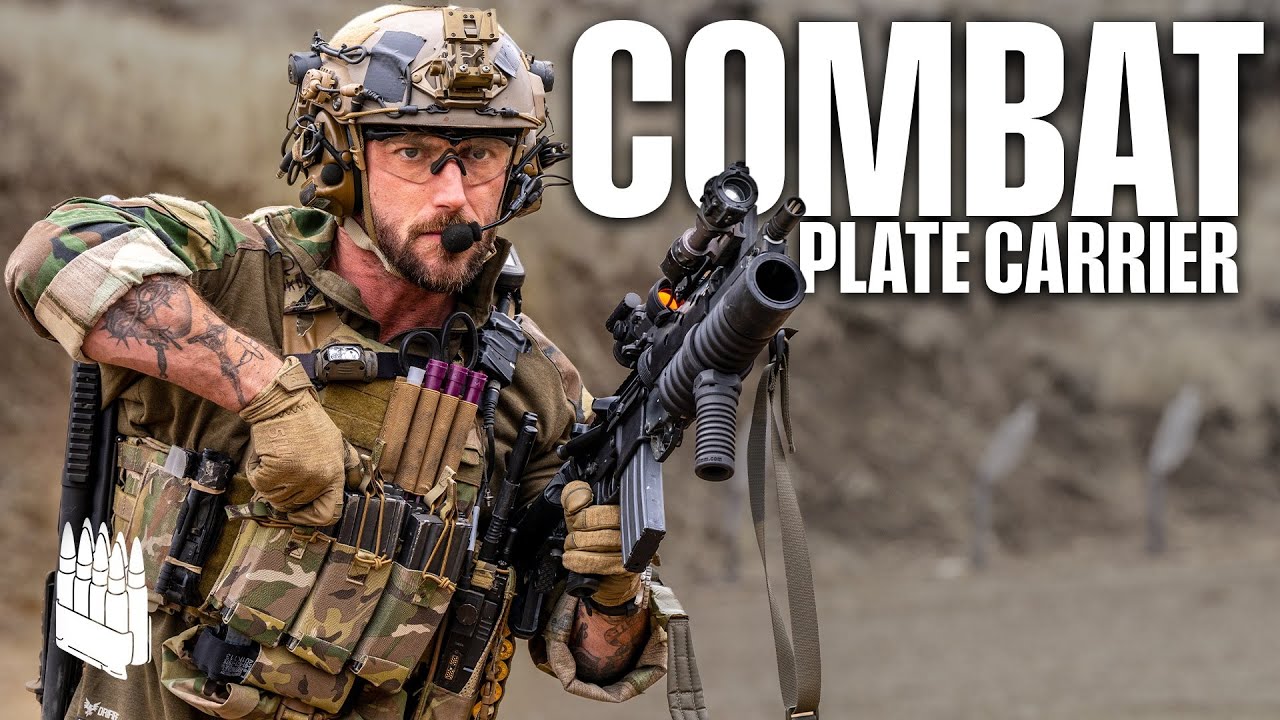
Inspired by GarandThumb’s video on civilian plate carrier setups, this article dives deeper into tailoring your gear for real-world scenarios while embracing the responsibility of being an armed, prepared citizen.
As armed citizens, preparation isn’t optional—it’s a duty. In today’s world, staying ready to protect yourself, your family, and your community is more important than ever. One cornerstone of readiness is your plate carrier setup. A solid plate carrier isn’t just gear—it’s life insurance, utility, and capability in one. Whether you’re preparing for natural disasters, civil unrest, or worst-case scenarios, this guide will walk you through building an effective civilian plate carrier setup.
Why Civilians Should Invest in Plate Carriers
It’s no secret: civilians have the right to self-defense. With the Second Amendment as our backbone, American citizens can and should equip themselves responsibly. Owning a plate carrier isn’t about looking “tactical”—it’s about staying alive and protecting those you love.
A civilian’s plate carrier setup isn’t about playing soldier. Instead, it’s about three critical functions:
- Stop Holes: Your armor must stop bullets before they stop you.
- Plug Holes: Medical gear saves lives when things go south.
- Make Holes: Ammo and tools ensure you can fight if necessary.
Choosing the Right Armor: Stop Holes
The plates in your carrier are its heart. Here’s what you need to know:
- Level IV Armor: The gold standard, stopping armor-piercing rounds like 30.06. If your budget allows, go lightweight. Brands like Hesco are a solid bet.
- Level III+: Cheaper and lighter, these stop most civilian threats, like 5.56 M855 green tip.
- Side Plates: While not always necessary, side plates or soft armor can protect you from frag and pistol rounds. Flexible side armor, like Ferro Concepts, offers a good compromise between mobility and protection.
Placement Tips: Your front plate should cover your vitals—place it high enough to protect your heart and lungs. The back plate should align with your T1 vertebrae.
Live Inventory Price Checker
Plugging Holes: Medical Gear
You’re not invincible. When things go wrong, proper medical gear can make the difference between life and death. Every civilian plate carrier setup needs:
- Two IFAKs (Individual First Aid Kits): One is for personal use, accessible by either hand, and another is a standardized kit for your team.
- Contents Checklist:
- Tourniquets (CAT or SOF-T recommended)
- Compression bandages
- Chest seals
- Hemostatic agents (e.g., Combat Gauze)
- Needle decompression kits (if trained)
- Tourniquet Tips: Carry at least three and stage them for quick access. Keep extras because gear gets lost, damaged, or used on others.
Making Holes: Ammunition Loadouts
Running out of ammo during a firefight isn’t an option. Your carrier needs enough to sustain you through the fight. For a standard AR-15 or similar rifle:
- Recommended Load: Seven magazines are the absolute minimum (one in the gun, six on the carrier). If possible, run more.
- Placards and Pouches:
- Elastic placards (e.g., Blue Force Gear or Ferro Concepts) for lightweight, low-profile setups.
- Taco-style pouches for secure and adaptable magazine storage.
- Grenade pouches may sound outlandish on a civilian’s kit, but flashbangs and even frag grenades (with proper ATF papers) can be legally obtained.
- Special Considerations: If you’re running heavier calibers (e.g., 7.62 NATO), tailor your load accordingly. Balance weight and mobility.
Customizing Your Carrier
Civilians need flexibility. Here’s what to consider when setting up your gear:
- Pouches: Use general-purpose pouches for tools, extra ammo, or mission-specific items like breaching rounds or flashbangs.
- Hydration: A CamelBak or water bottles stored in cargo pockets can keep you going during long engagements.
- Radio Gear: Communication is vital, but keep your electronic signature low.
Essential Accessories
Small details make a big difference. Here’s what every plate carrier setup should include:
- Headlamp: Red lenses preserve natural night vision and are harder to detect.
- Knife and Multitool: Both are indispensable. A knife for self-defense and a multitool for utility work.
- Signaling Gear: Chem sticks (IR and visible) or VS-17 panels help you mark positions, signal allies, or identify yourself.
Training: The Key to Confidence
Your gear is only as good as your training. Regularly test your setup by:
- Running and moving in full gear.
- Practicing reloads and clearing drills with your setup.
- Simulating real-world scenarios, like getting in and out of vehicles.
- Competitions that encourage participants to wear plate carriers, i.e., The Tactical Games.
Your plate carrier is a tool—it should work with you, not against you.
Recommended Plate Carriers
The market is full of options, but these stand out for civilians:
- Velocity Systems Scarab Light Plate Carrier: Lightweight and versatile. Perfect for streamlined setups.
- Grey Ghost Gear SMC Plate Carrier: Rugged and ideal for carrying heavier loads.
- Spiritus Systems LV/119 (Front Bag): Low-profile and great for urban or low-visibility operations. Highly customizable.
- NOTE: This is a component of a Spiritus Systems LV/119 Plate Carrier build. To build a COMPLETE plate carrier, you will need to select AT LEAST ONE of each of these items:
- Spiritus Systems Front Plate Bag
- Spiritus Systems Rear Plate Bag
- Spiritus Systems Shoulder Covers
- Spiritus Systems Cummerbund Set
- NOTE: This is a component of a Spiritus Systems LV/119 Plate Carrier build. To build a COMPLETE plate carrier, you will need to select AT LEAST ONE of each of these items:
With the right plate carrier setup, you’re not just another statistic—you’re a protector, ready to defend what matters most. Gear up, train hard, and stay prepared. Freedom isn’t free, and neither is survival. As a gun-owning civilian, you are the first and last line of defense.
Some of the links on this page are affiliate links, meaning at no additional cost to you, Ammoland will earn a commission if you click through and make a purchase.